

06 · Safes, pool tables & machinery
Specialty & heavy moving,
by the numbers, handled to the plan.
Safes,
slate tables,
machines and antiques are moved on evidence,
not optimism.
Your assessed plan states the acceptance,
the equipment,
the protection and any specialist support before move day.
Item assessed · Route checked · Handling method confirmed in writing
Rig anatomy
One safe, one flight, one assessed method.
ILLUSTRATIVE HANDLING STUDY
NOT FOR EQUIPMENT SELECTION
SITE + LOAD ASSESSMENT REQUIRED
01 · RESTRAINT WEBBING
Load rating requires confirmation
Webbing, restraint points and check intervals must be selected for the verified item, route and equipment; the accepted plan names them.
02 · STAIR METHOD
The route chooses the equipment
If powered stair equipment is proposed, its rating, controls, braking method and operator requirements must match the assessed route.
03 · DECK + PROTECTION PAD
Steel underneath, felt between
Any deck, skate or protection pad must be specified for the verified load and surfaces before the method is accepted.
04 · THE SLATE EXCEPTION
Slate is assessed separately
If slate transport is accepted, orientation, support, disassembly and reassembly follow a piece-specific method stated in writing.
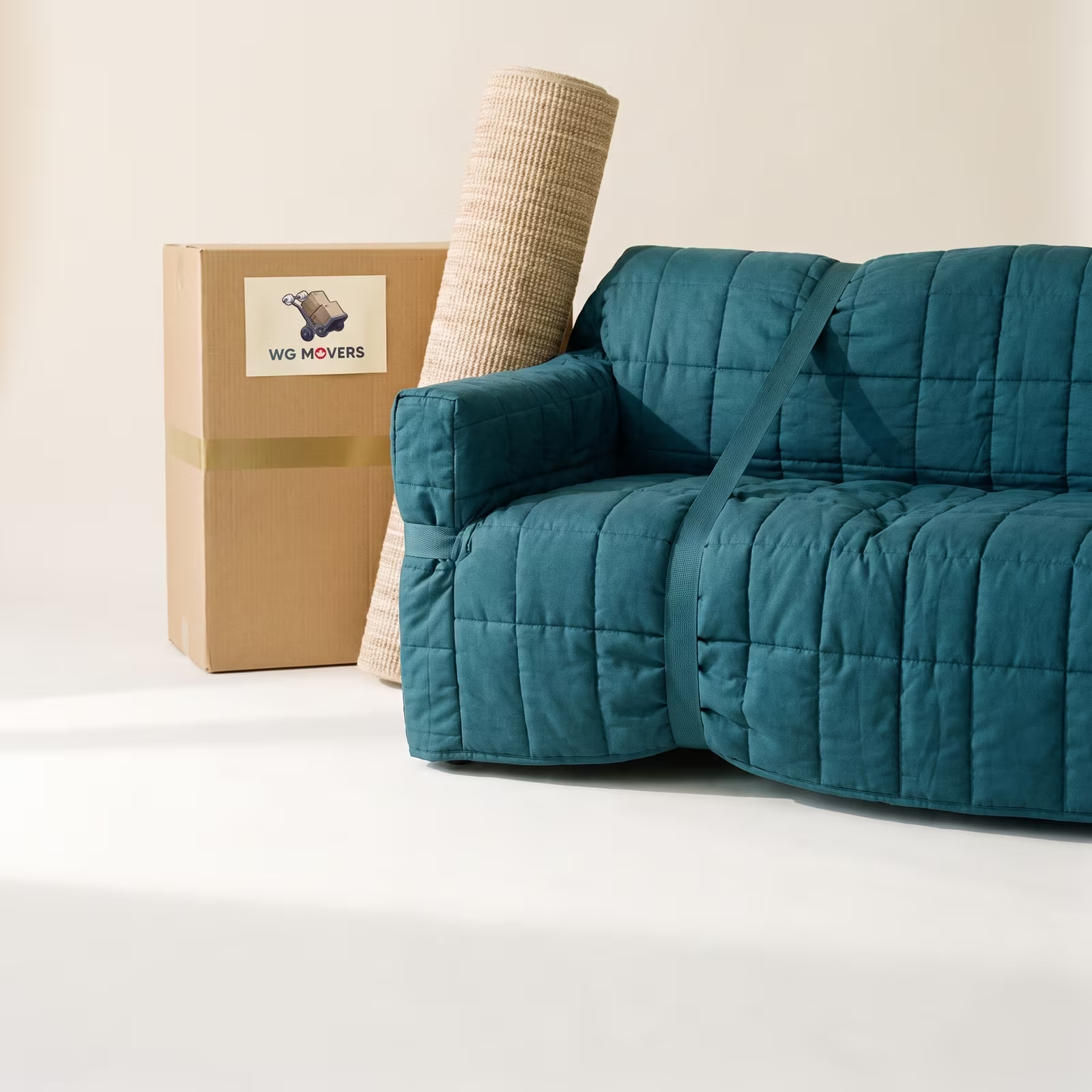
ILLUSTRATIVE RIG STUDY · FINAL METHOD, RATINGS AND RESPONSIBILITIES IN WRITING
The manifest
Assessed for the uncommon.
A safe, slate, antique or machine may require a different handling method. If accepted, the plan must identify the item, route, equipment, crew requirements, protection work and exclusions before booking.
01A lift plan from evidence
Available specifications, dimensions, route measurements and surface conditions should be reviewed before any handling method is accepted.
02Equipment matched after assessment
If a safe move is accepted, the quote names the selected cart, ramp, roller, restraint or specialist equipment rather than assuming a standard kit.
03Pool-table scope, piece by piece
The assessment identifies slate, frame, rails, felt and access. Disassembly, transport, reassembly or levelling is included only where stated.
04Crating selected for the piece
A custom padded crate or specialist material may be proposed for an antique, stone, glass or metal item, subject to a written specification.
05Experience requirements named
The assessment identifies the lead, specialist or third-party experience required for the accepted item and route.
06Documented, then covered
Condition photos, a dedicated manifest line and high-value documentation can be built into the scope, with the protection terms that apply confirmed before booking.
Protocol
Plan the lift, then lift.
Spec the item
We tell you exactly which photos, dimensions and details to send — safe weight from the plate inside the door, slate count on the table, materials on the antique.
Engineer the lift
If the item and route are accepted, the plan must name the cart, restraints, ramps, crew requirements and any specialist work needed before move day.
Place, level, reassemble
Placement, levelling, reassembly, uncrating and condition records follow the finish point explicitly included for the accepted item.
Safes, slate tables, machinery, sculpture and heirloom furniture are considered item by item, subject to route, equipment, specialist and date availability.
Related services · Locations · Availability confirmed per move
Questions
Asked before a heavy lift.
How heavy a safe can you move?
There is no blanket weight promise. Share the manufacturer specification, dimensions, route, stairs and surfaces; an assessment will confirm whether the move can be accepted and what equipment it requires.
Do you move pool tables?
Pool-table work is accepted only after the table, slate, felt, access and destination are assessed. The quote states whether disassembly, transport, reassembly, levelling or felt work is included and by whom.
What about hot tubs, machinery and gym equipment?
Those items require assessment before acceptance. Provide specifications, drainage or disconnection status, clearances, route photos and destination conditions so the required specialists and equipment can be evaluated.
How do you protect antiques?
The item assessment specifies the blanket wrap, corner or leg protection, crating, stacking restrictions and condition records chosen for the piece. Measures not listed in the accepted scope do not apply.
Next step
Tell us what it weighs.
Tell us the route, the date and what needs care on the way. A coordinator reads it and writes back — a real person, in writing, before anything is booked.
Route, date and access · Confirmed in writing · A starting brief, not an accepted scope or booking